Why Choose Asm Wire Bonding Machine for Your Manufacturing Needs?
In today’s competitive manufacturing landscape, choosing the right equipment is vital. The Asm Wire Bonding Machine stands out for several reasons. Its precision and efficiency are essential for producing high-quality electronic components. Companies rely on this machine to enhance their workflows.
One of the key advantages of the Asm Wire Bonding Machine is its reliability. It minimizes errors and maximizes output. This combination not only saves time but also reduces waste. Users often report higher satisfaction rates when integrating this technology into their production lines.
However, implementing new machinery can come with challenges. There may be a learning curve for operators. Regular maintenance is also required to ensure peak performance. Despite these considerations, many manufacturers find that the long-term benefits outweigh the initial hurdles. The Asm Wire Bonding Machine can significantly impact production efficiency and product quality.
Understanding Asm Wire Bonding Technology in Manufacturing
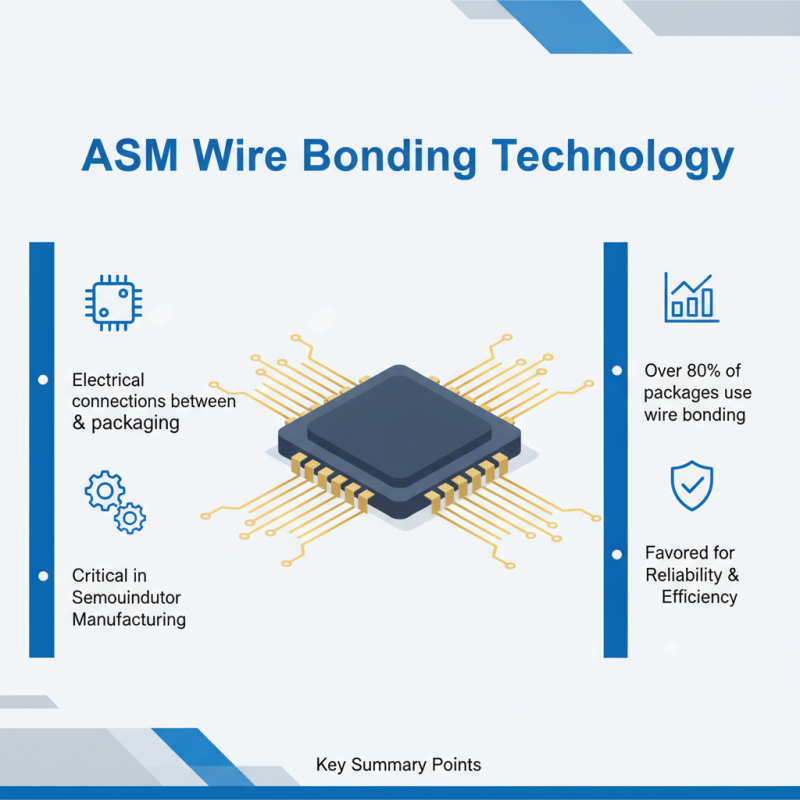
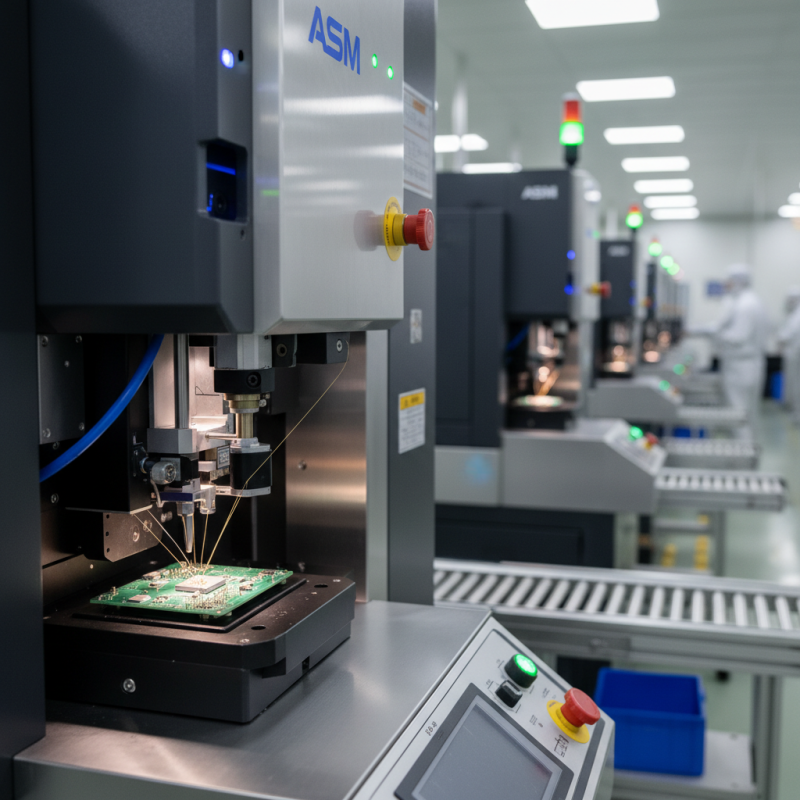
Wire bonding technology plays a critical role in semiconductor manufacturing. It fosters electrical connections between the chip and its packaging. Recent industry reports suggest that over 80% of semiconductor packages utilize wire bonding for interconnects. This method is favored for its reliability and efficiency.
The process typically involves using gold or aluminum wires. These materials are efficient conductors of electricity. The choice of wire affects performance and cost. For example, gold offers excellent conductivity and oxidation resistance. However, it can significantly raise production costs. Industry experts emphasize the need for careful material selection to balance performance and expenses.
In many cases, manufacturers face challenges with production yield. For instance, bonding failure rates can reach 5% to 10%, especially in high-density applications. This raises concerns about quality control and process optimization. Implementing advanced technologies like automated monitoring systems may improve these metrics. It is vital to assess the limitations of current methods and continuously innovate.
Key Features of Asm Wire Bonding Machines
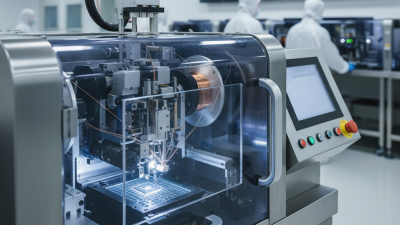
When selecting a wire bonding machine, it's essential to consider key features that enhance manufacturing efficiency. The Asm wire bonding machine is known for its precision and reliability. It utilizes advanced technology to achieve accurate wire placement. This is crucial for ensuring electrical connectivity in electronic devices. High levels of automation reduce the need for manual intervention and minimize errors.
Another notable feature is its adaptability. The machine can handle various wire materials and sizes. This versatility allows manufacturers to cater to diverse applications. Additionally, the machine's user interface simplifies operation. Operators can quickly learn how to use it, reducing training time. However, some might find the initial setup challenging, necessitating in-depth training.
The durability of the Asm wire bonding machine is another significant benefit. Constructed with high-quality materials, it can withstand the rigors of continuous operation. Maintenance is straightforward, but like any machine, it requires regular checks. Ignoring upkeep could lead to unexpected downtimes. Manufacturers must balance between performance and proactive maintenance strategies.
Benefits of Using Asm Wire Bonding Machines in Production
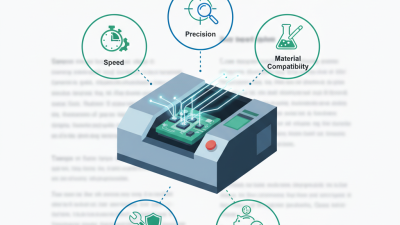
When considering manufacturing needs, ASM wire bonding machines stand out for many reasons. Their efficiency is evident in the speed of production. These machines can bond in seconds. Such rapid operation reduces overall production time. Moreover, precision is critical in manufacturing. ASM machines deliver accurate bonding, ensuring higher quality products. This minimizes wastage and enhances reliability.
Durability is another compelling factor. ASM wire bonding machines are designed to withstand rigorous use. This longevity can lead to cost savings in the long run. However, regular maintenance is imperative to keep them in top shape. Neglecting this can lead to decreased performance. Understanding potential issues is vital for manufacturers for optimal results.
Incorporating automation is a crucial trend. Automated processes reduce human error significantly. However, it's essential to train staff effectively. A machine is only as good as the operator. A gap in expertise can negate the benefits. Balancing technology and human skill is key to maximizing the advantages of wire bonding machines.
Benefits of Using ASM Wire Bonding Machines in Production
Comparative Analysis: Asm vs. Competitor Wire Bonding Solutions
When considering wire bonding solutions, a comparative analysis reveals key differences between offerings in the market. ASM wire bonding machines are renowned for their advanced technology and operational efficiency. According to a recent industry report, machines like ASM's achieve 98% first-pass yield, which significantly reduces material waste and production costs. This efficiency is crucial in sectors where profit margins are thin, such as semiconductor manufacturing.
Competitors often struggle with similar performance metrics. A study indicates that many alternative machines fall short, with an average first-pass yield of around 92%. This shortfall can lead to increased rework and longer production times. Additionally, ASM machines incorporate real-time diagnostics, providing manufacturers with actionable insights. In contrast, competitors may not offer similar monitoring capabilities, potentially masking inefficiencies.
Moreover, the versatility of ASM machines allows them to adapt to various bonding processes. This adaptability is essential in custom manufacturing setups. However, some users have noted that the operational learning curve can be steep. A commitment to training is necessary to fully leverage the machine's capabilities. Ensuring that operators are adequately trained can sometimes be a challenge in fast-paced environments. The balancing act between efficiency and training investment prompts a reevaluation of priorities for many manufacturers.
Real-world Applications of Asm Wire Bonding Machines in Industry
In the world of electronics manufacturing, wire bonding machines are essential. These machines connect chips to substrates, creating reliable electrical paths. The ASM wire bonding technology stands out for its versatility. It caters to various applications across industries such as automotive, telecommunications, and consumer electronics.
Automotive industries utilize wire bonding for critical components. They bond sensors and microcontrollers to enhance vehicle performance. The bonding process must withstand extreme temperatures and vibrations. The precision required is high. A small error can lead to failures, impacting safety and efficiency. In this context, ASM technology proves its worth by delivering consistency and reliability.
Telecommunications also benefit from this technology. The need for high-speed data transmission drives innovation. Wire bonding in this sector supports the connection of advanced chips in smartphones and network devices. Challenges arise with miniature components. The smallest misalignment can cause signal loss. Companies must always reflect on and refine their bonding methods. Continuous improvement ensures they meet market demands and maintain trust among consumers.
Why Choose Asm Wire Bonding Machine for Your Manufacturing Needs?
| Application Area |
Key Benefits |
Industry Examples |
| Semiconductor Packaging |
High precision and reliability |
Microchips, Processors |
| LED Lighting |
Efficient thermal management |
LED Drivers, Automotive Lighting |
| Medical Devices |
Enhanced safety and quality control |
Diagnostic Equipment, Implantables |
| Consumer Electronics |
Cost-effective mass production |
Smartphones, Tablets |
| Telecommunications |
High throughput and scalability |
Network Equipment, RF Modules |