Top China Wire Bond Machines for Global Buyers Guide?
In the evolving world of semiconductor manufacturing, the importance of efficient wire bonding cannot be underestimated. Experts like Dr. Li Ming have emphasized, “A reliable Wire Bond Machine is crucial for the integrity of electronic devices.” For global buyers, selecting the right wire bond machine can be daunting, as numerous options line the market.
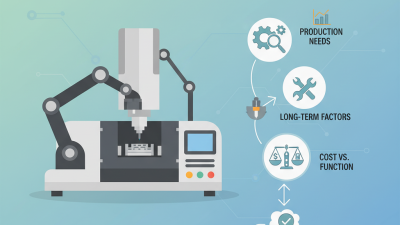
Wire bond machines play a pivotal role in connecting chips to their substrates or packages. Each machine offers distinct features and capabilities. Thus, understanding these nuances is vital for making informed decisions. Not every machine suits every application. Buyers must reflect on their specific production needs and the complexity of the components they work with.
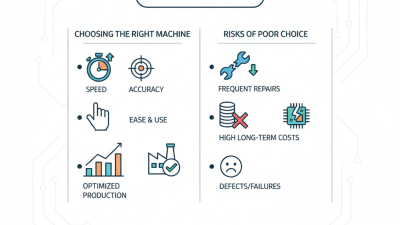
Investing in a wire bond machine isn’t just about cost; it’s about quality and longevity. Some machines may not perform optimally in high-volume scenarios, leading to production delays. Therefore, careful evaluation of both technology and vendor reliability is essential. The right choices can enhance productivity and ensure robust product performance in the fast-moving tech landscape.
Overview of Wire Bonding Technology in China
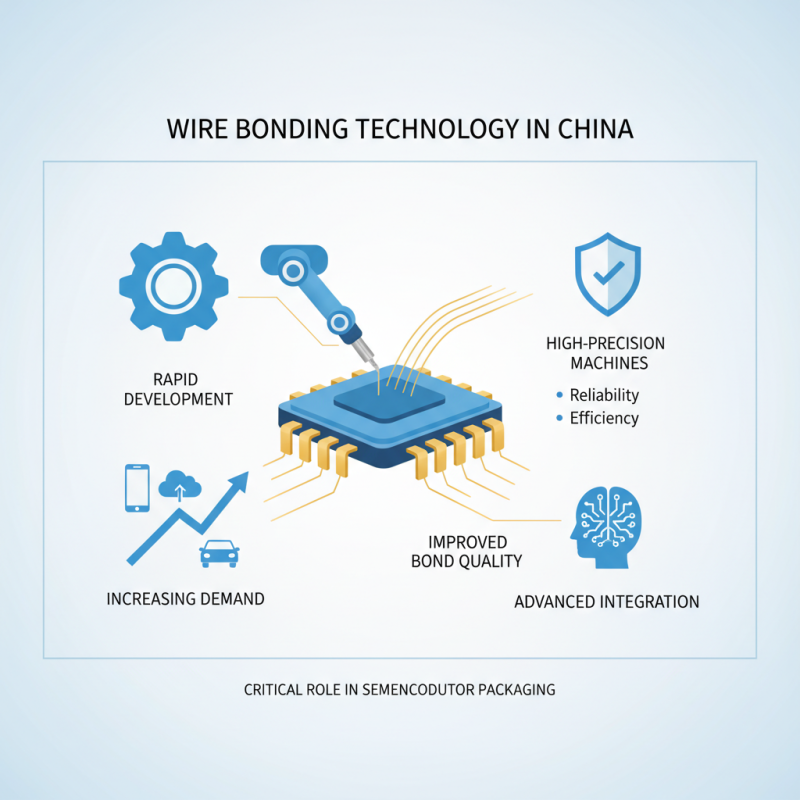
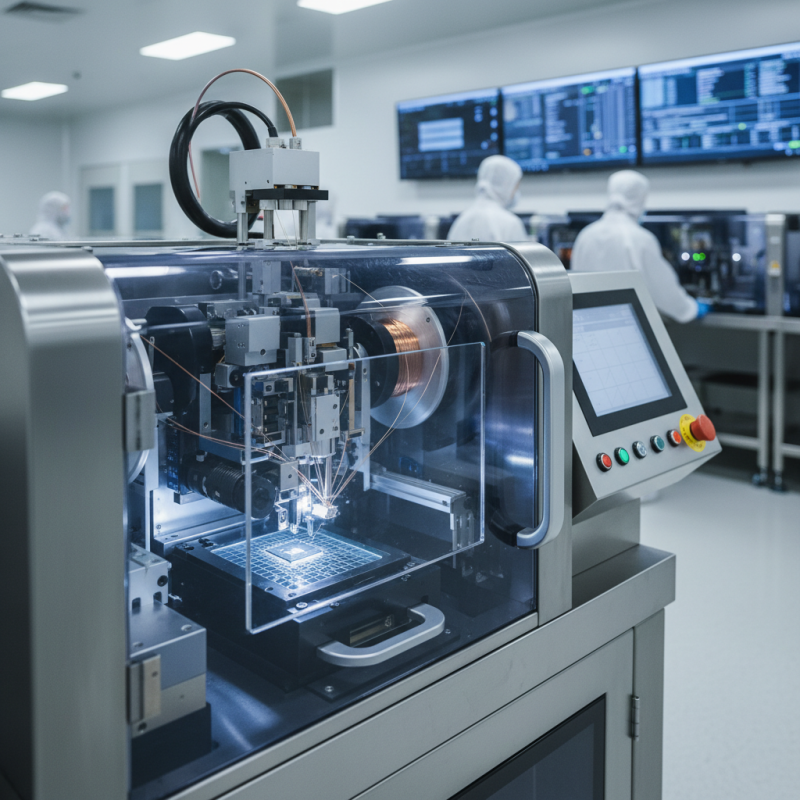
Wire bonding technology plays a critical role in semiconductor packaging. This method connects the die to the package using fine wires. In China, the development of wire bond machines has progressed rapidly, thanks to increasing demand in various industries. Leading manufacturers focus on producing high-precision machines that enhance reliability and efficiency. The integration of advanced technology has improved the bond quality significantly.
When considering a wire bonding machine, buyers should evaluate specific features. Look for machines that offer flexibility in bonding capabilities. Compatibility with different materials is also crucial. Some machines now support advanced techniques like ultra-high frequency bonding. It's essential to conduct thorough research before making any purchase decisions.
Tip: Always review user feedback and industry reviews to ensure machine reliability. Ensure that your chosen machine adheres to the best practices in wire bonding technology. Investing in quality equipment can lead to better production outcomes. Remember, operational training for staff is equally important.
Key Features of China’s Leading Wire Bond Machines
China's wire bond machines are renowned for their innovative technology and efficiency. Global buyers are often drawn to key features that enhance performance. These machines are designed with precision bonding capabilities, ensuring reliable connections for semiconductor manufacturing. They handle different wire types and sizes, which expands their application range.
Quality control is a crucial aspect of these machines. Many models incorporate real-time monitoring systems to detect anomalies during the bonding process. This feature minimizes errors and boosts overall production efficiency. Look for machines with user-friendly interfaces, as they simplify operations. Operating such advanced equipment should not require extensive training.
Tips: When selecting a wire bond machine, evaluate its compatibility with existing systems. Explore its maintenance needs to avoid unexpected downtimes. Research user feedback for insights into long-term reliability. Global buyers should consider the manufacturer's support and service options, ensuring a dependable partnership. It's essential to reflect on each feature's impact on your specific needs. Understanding these dynamics can lead to smarter purchasing decisions.
Top Manufacturers of Wire Bond Machines in China
China has emerged as a key player in the wire bond machine industry, attracting global buyers. Several manufacturers stand out due to their unique technologies and reliable performance. They serve various sectors, including semiconductors, automotive, and medical devices. The competitive landscape is marked by a combination of innovation and experience.
Some manufacturers focus on automation and efficiency. They develop machines designed to reduce processing time and improve precision. It's interesting to note that while many offer advanced features, not all machines meet international standards. Buyers may find it challenging to navigate this landscape. Research is essential to identify which manufacturers hold the necessary certifications.
Furthermore, while some companies lead in technology, others may struggle with customer support. Potential buyers should consider after-sales services as a critical factor. Engaging with manufacturers can uncover more about their service offerings and reliability. Gathering insights from industry experts can also provide better clarity on which machines to choose.
Factors to Consider When Buying Wire Bond Machines
When considering the purchase of wire bond machines, several critical factors come into play. One significant aspect is the machine's bonding speed. Reports indicate that the market average is around 1,000 bonds per hour. This statistic underlines the importance of efficiency in production settings. A machine that operates slowly can lead to bottlenecks and increased costs.
Another factor to weigh is the versatility of the machine. Many models offer compatibility with different wire types and thicknesses. Flexibility in bonding materials is crucial. Many industry experts advise selecting machines that adapt to various applications, as this can enhance the lifespan of the equipment. Additionally, the ease of programming can influence the overall operational efficiency.
Finally, reliability remains a central consideration. Machines should be able to perform consistently under varying conditions. A recent study highlighted that up to 20% of downtime could be attributed to equipment failures. This statistic emphasizes the need for dependable machinery. Buyers should seek machines backed by robust support systems to minimize disruption.
Comparative Analysis of China’s Wire Bond Machines for Global Buyers
In the ever-evolving landscape of semiconductor manufacturing, wire bond machines serve as critical tools. Buyers must navigate various options carefully to identify machines that offer the best performance. This comparative analysis highlights key features to consider when selecting wire bond machines from China.
One important factor is technology integration. Advanced machines often incorporate automation, enhancing precision and efficiency. Buyers should look for features like real-time monitoring systems. These systems can reduce errors and increase productivity. Regular training on machine operation for staff is also crucial.
**Tips:** Evaluate the after-sales support offered by suppliers. A reliable support system ensures that any issues are resolved quickly. Consider user reviews to gauge real-world performance. They provide valuable insights that technical specifications may not reveal.
Additionally, assess the machine’s versatility. Some machines can handle various wire types and bonding techniques. This adaptability can save costs and accommodate different production needs. However, not all machines perform equally across all parameters. Watch for inconsistencies in claims from manufacturers. It's essential to seek independent evaluations when possible.
Top China Wire Bond Machines for Global Buyers Guide
| Model |
Bonding Type |
Wire Size (µm) |
Max Speed (bonds/sec) |
Approx. Price (USD) |
| Model A |
Ball Bonding |
25 |
100 |
$50,000 |
| Model B |
Wedge Bonding |
20 |
80 |
$45,000 |
| Model C |
Ball Bonding |
30 |
120 |
$55,000 |
| Model D |
Wedge Bonding |
15 |
75 |
$40,000 |
| Model E |
Ball Bonding |
28 |
110 |
$52,000 |