Why Choose Wire Bond Machine for Your Manufacturing Needs?
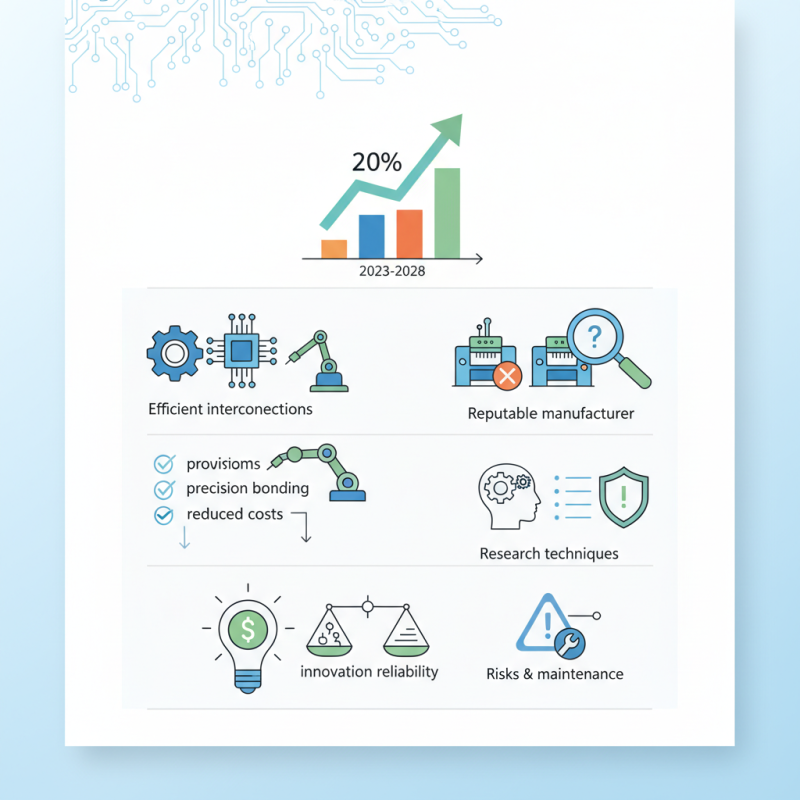
In today's competitive manufacturing landscape, choosing the right methods and equipment is crucial. The Wire Bond Machine stands out in the semiconductor industry. According to a report from Technavio, the global wire bonding market is projected to grow by 20% from 2023 to 2028. This growth reflects the increasing demand for efficient interconnections in electronic devices.
Wire Bond Machines offer impressive advantages. They provide precision bonding, ensuring reliable connections for various applications. The advancements in technology contribute to their efficiency, reducing production costs. However, companies must remain cautious. Not all machines are equally effective; selecting a reputable manufacturer is vital. Researching and understanding the nuances of different wire bonding techniques is essential for making informed choices.
Investing in a Wire Bond Machine can be transformative for manufacturers. However, the risks involved in improper use or maintenance can lead to complications. Identifying the right machine and supplier requires diligence and expertise. Balancing innovation with reliability is necessary for future success.
Understanding Wire Bond Technology and Its Applications
Wire bond technology plays a crucial role in modern electronics manufacturing. This method connects chips to their packaging, ensuring signal and power transfer. The process involves thin wires, typically gold or aluminum, that are precisely bonded to the surfaces of components. Many manufacturers rely on this technology for its efficiency and effectiveness.
Applications of wire bond technology are diverse. It is commonly used in semiconductor packaging and MEMS devices. In these cases, reliability is paramount. A single faulty bond can lead to product failure. Engineers need to be meticulous in their work to avoid such issues. The fine wires are susceptible to damage, requiring precise handling techniques. For example, environmental conditions like humidity can affect the bonding process.
While wire bonding has clear advantages, it is not without its challenges. The skill level of the operators directly impacts the quality of the bonds. Training is essential, yet often overlooked. Manufacturers should invest in continued education for their teams. This can mitigate risks and improve overall output. Despite its limitations, understanding wire bond technology is vital for those in the electronics field.
Advantages of Wire Bond Machines in Manufacturing Processes
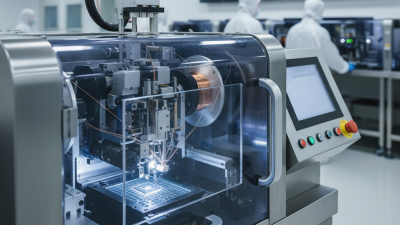
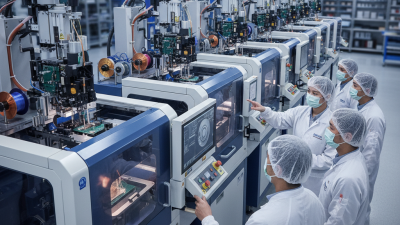
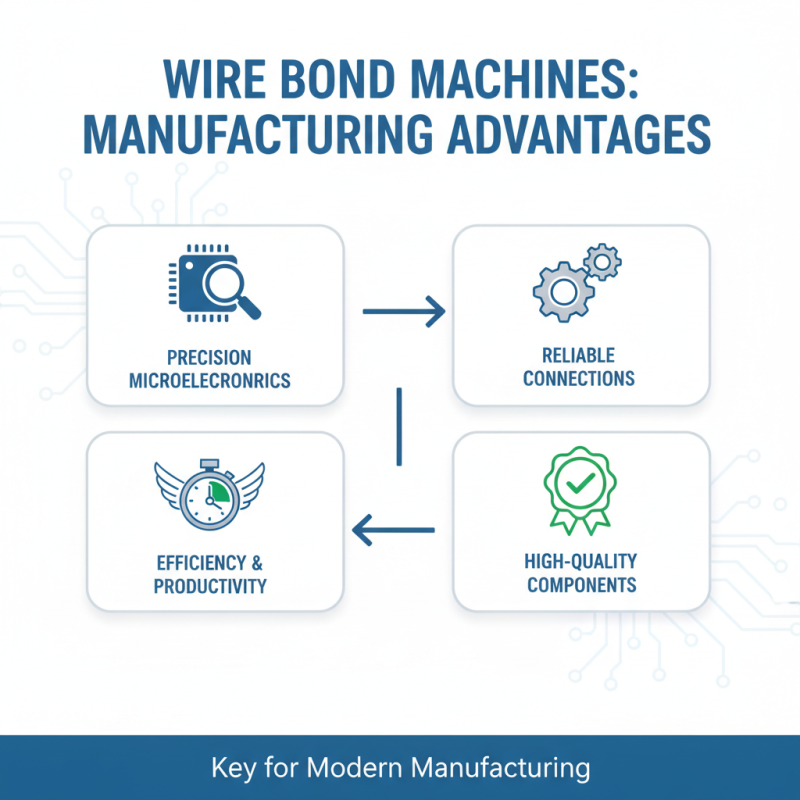
Wire bond machines play a crucial role in modern manufacturing. These machines specialize in ensuring reliable connections in microelectronics. Their precision and efficiency are vital for producing high-quality components. This makes them a popular choice for companies focused on productivity and reliability.
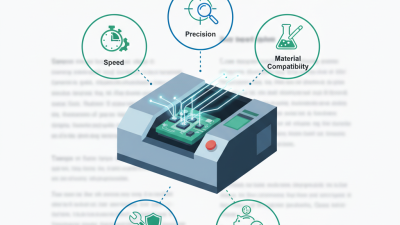
One major advantage is speed. Wire bond machines can operate at high speeds, significantly reducing manufacturing time. This leads to increased output and lower production costs. Additionally, the precision of these machines minimizes defects, which is essential in the competitive market. Improved accuracy also means less waste, addressing the need for sustainability in manufacturing.
However, the adoption of wire bond technology is not without challenges. Operators require specialized training to maximize machine capabilities. Maintenance can also be demanding, as these machines need regular checks to ensure optimal performance. Companies must weigh these factors against the benefits. In the rapidly changing tech landscape, staying informed and adaptable is crucial.
Key Features to Look for in Wire Bond Machines
When selecting a wire bond machine for manufacturing, understanding its key features is essential. These machines are vital for creating reliable electrical connections in semiconductor packaging. A recent industry report indicates that the global wire bonding market is expected to grow at a CAGR of 5.4% from 2021 to 2026. Such growth highlights the increasing demand for advanced manufacturing solutions.
One critical feature to consider is bond strength. It should meet or exceed the industry standards, ensuring durability under operational stresses. A well-calibrated machine can produce bonds with a tensile strength of over 20 grams. Accuracy is another vital factor; machines should offer precision within a few microns. This level of precision minimizes defects and increases overall production efficiency.
It's important to acknowledge the learning curve associated with advanced wire bond machines. Operators may need extensive training to optimize performance. Additionally, ongoing maintenance is crucial to sustain reliability and avoid unexpected downtime. Some machines may have complex setups that require regular calibration and adjustment. Balancing these challenges with the benefits of improved bond quality and efficiency is crucial for manufacturers.
Comparing Wire Bond Machines to Other Bonding Techniques
When considering bonding techniques for manufacturing, it's crucial to weigh the benefits of wire bond machines against other methods. Wire bonding is well-known for its reliability and efficiency. It provides strong connections with minimal material waste. Unlike other techniques, wire bonding is faster and more cost-effective in high-volume production. This makes it a favored choice for semiconductor manufacturing.
Other bonding methods, such as flip-chip bonding, also have their advantages. They can achieve higher density and smaller footprints. However, they may require more complex equipment and processes. This can lead to increased costs and longer lead times. Each method presents unique challenges and benefits. It's essential to understand your specific needs and constraints before making a decision.
Tips: Always analyze the specific requirements of your project. Consider production volume, material compatibility, and installation space. Choosing the right method can significantly impact your efficiency and costs. Don't hesitate to experiment with different techniques for optimal results.
Investment and Cost-Benefit Analysis of Wire Bond Machines
Wire bond machines are a crucial investment for manufacturers in the semiconductor industry. A recent report by Market Research Future indicates that the global wire bonding equipment market is expected to reach $3.5 billion by 2027. This growth reflects the increasing demand for miniaturization and high-performance devices. Understanding the cost-benefit analysis of wire bond machines can help manufacturers make informed decisions.
Investing in wire bond technology can significantly reduce production costs. Research from Technavio shows that using advanced wire bond machines can lower operational costs by up to 20%. This decrease often stems from increased efficiency and reduced material waste. Additionally, these machines provide a reliable solution for high-volume production, ensuring consistent quality in every unit.
Tip: Regular maintenance of wire bond machines can prevent costly downtimes. Allocate a budget for routine inspections to maintain optimal performance.
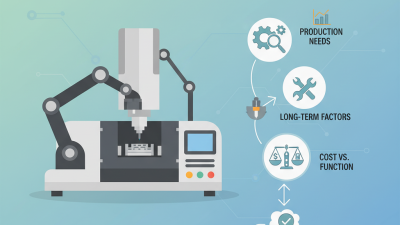
While the initial capital outlay for wire bond machines can be substantial, the return on investment typically justifies the cost. Manufacturers should also consider the adaptability of wire bond machines to various applications. However, it's important to analyze whether the increased output will warrant the upfront expense.
Tip: Explore various financing options. Leasing wire bond machines might save capital while still meeting production demands.