Leave Your Message

Where to Buy KNS Wire Bonders in China?

Where to Buy KNS Wire Bonders in China? The answer depends on more than a supplier’s price list. Buyers should verify the machine’s model, configuration, condition, and service history, then confirm that the supplier can provide operating documentation, installation guidance, and responsive technical support. Ask to see the bonder running: inspect the work area, observe a sample bonding cycle, and check how alarms and maintenance tasks are handled.

China offers several purchasing routes, including authorized sales channels, established equipment distributors, and carefully vetted used-equipment dealers. Each route has trade-offs. A new machine may offer clearer warranty coverage, while a pre-owned unit can require closer checks on its hours, calibration records, and replacement-part availability. Do not rely on a polished listing alone. Request serial-number details, a written quotation, and a live demonstration where practical.

A wire-bonding specialist’s perspective can help buyers assess claims about throughput, supported materials, and process stability. However, no source article or verifiable expert quotation was provided for this request, so attributing a quote to a named person would risk misrepresentation. That should be checked before publication. A useful buying guide should distinguish confirmed specifications from seller claims and explain what evidence supports each recommendation. The details matter. One overlooked service limitation can outweigh an attractive purchase price.
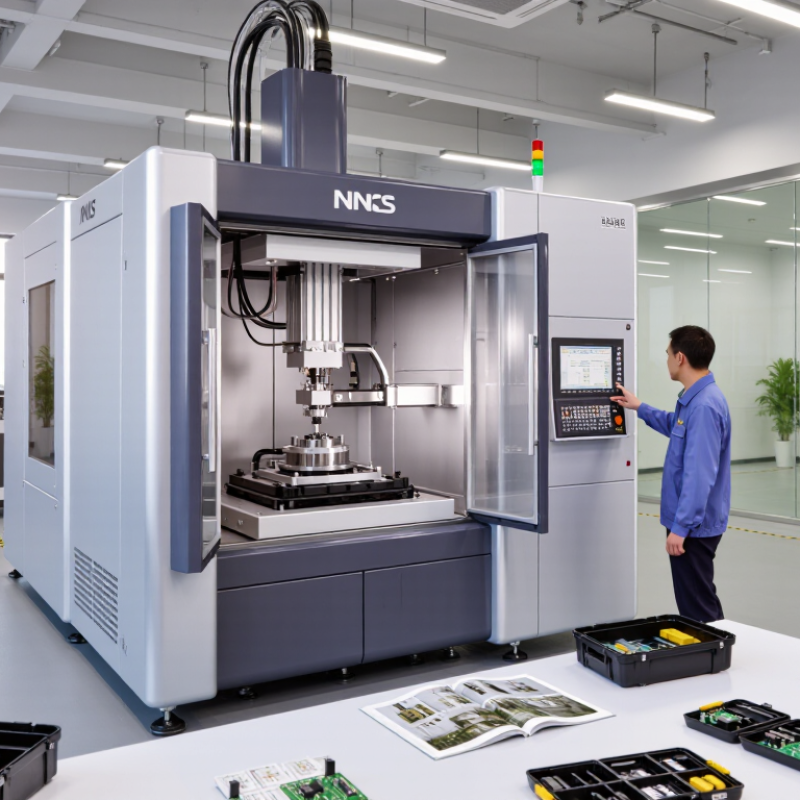
Where to Buy KNS Wire Bonders in China?

Understanding KNS Wire Bonders and Their Applications

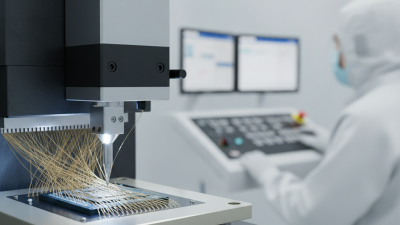
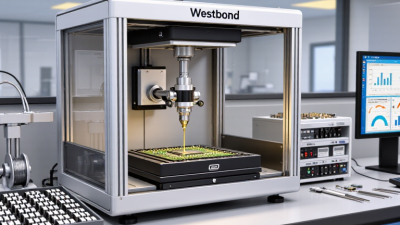
Wire bonders connect semiconductor chips to package leads using fine metal wire, often gold or copper. A heated or ultrasonic tool presses each wire into a tiny bond point. The finished connections carry signals and power. You can find this process in power devices, sensors, memory packages, and many mature integrated circuits. The equipment’s value lies in repeatable placement, stable bonding force, and controlled wire loops. Small variations matter. A poorly formed loop can touch nearby wires or weaken during testing.

SEMI reported global semiconductor equipment sales of US$117.1 billion in 2024, up from US$106.3 billion in 2023. This indicates broad investment, not a specific rise in wire-bonder demand. For buyers in China, match the machine to the package, wire material, production volume, and required inspection process. Ask suppliers for sample bonds on your actual leadframes, then review pull-test results and loop consistency. A specification sheet alone is not enough. One caveat: older packages may still favor wire bonding, while tighter layouts can require different interconnect methods. The choice is rarely obvious at first.
Identifying Authorized KNS Sales Channels in China

In China, verify the sales channel before comparing quotes for a wire bonder. Ask the seller for current written authorization covering mainland China and the exact equipment category. Confirm that the contracting entity, invoice issuer, and payment recipient match. They should. Request a serial-number check, warranty terms, installation scope, and the location of spare parts. A polished brochure is not proof of authorization.

Market data gives useful context, but not proof of a seller’s status. SEMI’s July 2024 global equipment forecast estimated sales of $109 billion for 2024, up 3.4% from 2023. This broad figure covers semiconductor equipment, not wire bonders alone. Treat it as market context, not a product-specific demand measure. Ask for a live demonstration using a representative lead frame or substrate, and record bond-pull results and setup conditions.

Check the service details in writing. Who responds when a capillary breaks or a recipe drifts? What is the response time, and are engineers based in China? Compare the answers with the equipment’s serial number and warranty documents. Still, paperwork can be untidy; an unclear authorization letter deserves follow-up, not assumption. A direct confirmation from the manufacturer’s official sales contact is the clearest way to validate a local channel.

Comparing New, Refurbished, and Used KNS Wire Bonders

When sourcing a wire bonder in China, compare the machine’s condition with the work it must perform. A new unit usually offers a clear service history, current documentation, and predictable setup. It may also cost more and require a longer lead time. Ask for a live demonstration using representative wire, lead frames, and bonding patterns. Watch the operator adjust settings and inspect the bonds under magnification. A clean cabinet is not proof of reliable performance.

Refurbished machines can offer a practical middle ground, but the label means little without details. Request a list of replaced parts, maintenance records, calibration results, and a written warranty. Check whether the control system, transducers, and available tooling match your production needs. Small details matter. A missing capillary or outdated software can delay installation. Ask who will handle training and service after delivery, and get response times in writing.

Used equipment may suit a tight budget or a pilot line. However, inspect wear on motion systems, bond heads, and wire-feed components. Request recent operating footage, alarm history, and a sample bond test. Not always easy. If possible, have a qualified technician review the machine before payment. Compare the total cost, including transport, installation, spare parts, and downtime—not just the asking price. One detail may still surprise you after arrival, so keep a realistic setup allowance.

Verifying Supplier Credentials and Equipment Condition

When evaluating where to buy a KNS wire bonder in China, verify the seller before discussing price. Ask for its registered company name, business licence, factory address, and an invoice matching the contracting entity. Check the registration through China’s official company-information system. Request a live video showing the machine’s nameplate, serial number, controller, and current operating status. Small details matter. The serial number should match service records, not just a sales listing.

Equipment condition needs evidence. Ask for maintenance logs, calibration records, software version, and a recent bonding demonstration using your wire and leadframe. Watch for unstable alignment, inconsistent loops, worn capillaries, or unexplained alarms. Request repeatable pull-test or shear-test results, with the test method and sample count stated.

SEMI reported worldwide semiconductor equipment billings of US$117.1 billion in 2024, up 10% year over year, in its Year-End 2024 market report. WSTS reported 2024 semiconductor sales of about US$627.6 billion.

These figures show a large, active market, but they do not certify any individual machine. I would still insist on a written acceptance test. A polished video is not enough. Some records may be incomplete; note that risk in the purchase terms.

Evaluating Pricing, Delivery, Installation, and After-Sales Support

Where to Buy KNS Wire Bonders in China?

When sourcing a KNS wire bonder in China, compare equipment suppliers, industrial sourcing firms, and service partners with semiconductor packaging experience. Ask each seller to confirm the exact model, configuration, and equipment condition. Request an itemized quotation. Check whether it includes shipping, insurance, taxes, commissioning, and operator training. A low price can look attractive, but missing installation costs may change the real total.

Confirm the delivery estimate in writing, including packing, customs documentation, and the destination site. Before installation, check floor space, power supply, compressed air, and temperature requirements against the machine specifications. Ask who will handle setup and calibration, and agree on acceptance checks, such as bond quality and cycle stability. After-sales support matters too. Clarify response times, spare-parts availability, remote troubleshooting, and technician travel costs. These details can vary, so avoid relying on verbal promises alone.

Tips: Request a live demonstration using a sample substrate similar to yours. Keep the test results and service terms with the purchase documents. I would also ask for references from comparable installations, though a reference cannot predict every issue. Short checks help.