Leave Your Message

Top 10 West Bond Wire Bonder Suppliers for Global Buyers

Choosing a wire bonder is a production decision, not a brand exercise. For global buyers, the right West Bond Wire Bonder depends on package design, wire material, throughput, operator skill, and the support available after installation. A machine that handles fine-pitch work well may not suit a line focused on larger devices. Small details matter: bond-head access, microscope clarity, tool availability, and the time needed to train operators.

A useful principle, aligned with semiconductor packaging researcher Dr. John H. Lau’s published work, is: “Judge a bonder by process fit, repeatability, and support—not its nameplate alone.” This is an editorial paraphrase, not a verbatim quotation. Buyers should verify specifications directly with suppliers and request application testing using representative substrates, wire, and tooling. Ask how maintenance is handled, which parts are stocked, and whether software or documentation fits the intended workflow. A polished brochure is not enough.

This guide compares ten suppliers for international buyers. It considers machine capabilities, service access, customization, and the practical needs of different production environments. Availability and configurations can vary by region, so confirm each detail before purchase. Real trials help. Even a capable machine can disappoint when the setup, training, or support falls short. The rankings offer a starting point, not a substitute for technical evaluation.

Top 10 West Bond Wire Bonder Suppliers for Global Buyers

Understanding West Bond Wire Bonders and Their Role in Semiconductor Packaging

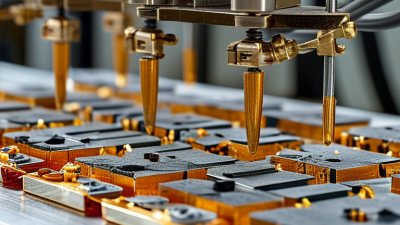
Wire bonders create tiny electrical connections between a semiconductor die and its package leads. A fine gold, copper, or aluminum wire bridges each bond pad to a lead frame or substrate. Depending on the process, a capillary or wedge tool positions the wire, while heat, force, and ultrasonic energy form the joint. An operator watches alignment through a microscope and checks loop height, spacing, and bond-foot shape. Small shifts matter. A slight misalignment can damage a pad or leave a weak connection that fails later testing.

These details explain why wire bonders remain important in semiconductor packaging, despite newer interconnect methods. They support compact packages for sensors, power devices, and many established integrated circuits. Process teams tune bonding force, time, temperature, and ultrasonic power for the wire and materials being used. Pull tests, shear tests, and visual inspection help confirm that bonds meet process requirements. A recipe that works on one package may not transfer cleanly to another. That is worth remembering. Tool wear, surface contamination, and operator technique can change results, even when settings stay fixed. Good equipment matters, but careful setup and documented checks matter too.

Key Factors for Evaluating West Bond Wire Bonder Suppliers

Evaluating a wire bonder supplier takes more than comparing cycle times. Ask for sample-bond data using your actual wire, leadframe, and package geometry. Inspect ball shape, stitch placement, and bond pull results under a microscope. Small details matter. Request repeatability results across shifts, not only a polished demonstration.

SEMI’s December 2024 semiconductor equipment forecast projected global equipment sales of $109.5 billion in 2024 and $121.9 billion in 2025. These figures show a growing equipment investment cycle, but they do not measure wire bonder demand directly. Buyers should still check whether a supplier can support their specific process, including recipe control, thermal stability, and traceable maintenance records. Ask how quickly technicians respond and which wear parts are stocked locally.

A factory acceptance test can reveal more than a brochure. Run several lots, then compare bond quality, alarms, and unplanned stops. Not on paper. Check training materials and spare-part lead times, too. I would not treat a high uptime figure as proof of suitability; the measurement period and operating conditions matter. Even a careful trial can miss long-term drift, so plan a follow-up review after installation.

Top 10 Evaluation Factors for West Bond Wire Bonder Suppliers

Suggested buyer-side evaluation weights, totaling 100%. Consider application fit, bonding capability, equipment specifications, service coverage, reliability, compatibility, validation support, training, total cost, and delivery when comparing suppliers. These illustrative weights are not measured market data or supplier rankings.

Profiles of 10 West Bond Wire Bonder Suppliers for Global Buyers

West Bond wire bonder suppliers differ in machine age, process support, and service reach. The profiles below describe ten supplier types for global buyers, not a verified ranking. Compare documented specifications with your own wire, package, and production needs. A polished brochure is not proof of stable bonding results.

A high-volume automation supplier may offer fast cycle times and production-line integration. A flexible equipment maker may suit mixed product runs and frequent changeovers. A legacy-machine specialist can help maintain older platforms. A custom integrator may adapt fixtures for unusual package layouts. A regional distributor can simplify local delivery and communication. A service-led supplier may provide installation, training, and spare parts. A research-focused supplier may support process trials and small batches. A fine-pitch specialist may address tight pad spacing. A multi-region supplier may coordinate support across facilities. A budget-focused supplier may offer lower entry costs, but service terms need close review.

Tips: Request sample bond results, a parts list, and written service response times. Ask to inspect a comparable machine under realistic operating conditions. Check wire compatibility, operator training, and ongoing maintenance costs. Small gaps matter. I would also confirm what the warranty excludes; that detail is easy to overlook.

Top 10 West Bond Wire Bonder Suppliers for Global Buyers — Profiles of 10 West Bond Wire Bonder Suppliers for Global Buyers

These are anonymized sourcing-channel profiles, not verified rankings or named businesses. They describe common equipment-sourcing routes; availability, machine condition, service coverage, and compatibility must be confirmed for each transaction.

Profile Supplier Type Typical Offering Condition and Documentation to Check Service and Support Considerations Best Suited For
Profile 01 Manufacturer-direct sales channel New equipment, factory options, and accessories where available for the requested model. Confirm the exact model, configuration, build status, warranty terms, and included accessories. Ask which commissioning, training, and technical-support services are available in the buyer’s location. Buyers seeking new equipment and direct technical clarification.
Profile 02 Authorized regional distributor Equipment and related services offered within an assigned sales territory. Request written confirmation of authorization, equipment origin, serial-number details, and warranty coverage. Local support may be available, but territory and service scope should be verified. Buyers who value local communication and regional after-sales coordination.
Profile 03 Used semiconductor-equipment dealer Pre-owned machines sourced from production facilities or equipment inventories. Review operating hours if recorded, maintenance history, inspection results, and a live operating demonstration. Determine whether installation, repairs, parts, or return support are included or separately priced. Buyers seeking used equipment and willing to conduct technical due diligence.
Profile 04 Equipment refurbishment specialist Used equipment that may have been inspected, repaired, or refurbished before resale. Request a written refurbishment scope, replaced-parts list, test records, and acceptance criteria. Confirm the duration and exclusions of any refurbishment warranty and the availability of repair support. Buyers who want a documented inspection or refurbishment process for used equipment.
Profile 05 Industrial auction or liquidation channel Surplus equipment sold from plant closures, asset disposals, or timed auctions. Check whether the machine is tested, whether accessories are included, and what inspection access is permitted. Sales are often offered with limited support; clarify removal, packing, and loading responsibilities. Experienced buyers able to assess equipment and manage logistics independently.
Profile 06 Semiconductor-equipment integrator Equipment sourcing coordinated with facility, production-line, or process-integration requirements. Confirm the proposed configuration, site requirements, interface needs, and acceptance-test responsibilities. Ask whether installation coordination and operator training are included in the project scope. Buyers integrating a bonder into an existing production or laboratory setup.
Profile 07 Independent service and repair provider Inspection, troubleshooting, maintenance, or repair services; equipment sales may be incidental. Verify experience with the specific model and request a written diagnostic or repair scope. Confirm technician availability, service area, parts sourcing, and any post-repair test procedure. Buyers who already own equipment or need a technical assessment before purchase.
Profile 08 Equipment and spare-parts reseller Replacement parts, tooling, accessories, or occasionally complete machines. Match each part to the machine’s exact model and configuration; verify condition and return terms. Confirm whether technical guidance is provided and whether parts are new, used, or refurbished. Buyers maintaining installed equipment or sourcing specific accessories.
Profile 09 Laboratory or institutional surplus seller Machines released from research, teaching, or development facilities. Ask for available operating records, included tooling, storage history, and permission to inspect or test. Support is generally transaction-specific; plan for independent setup and verification. Laboratories and development teams considering lower-volume or experimental use.
Profile 10 Cross-border machinery broker Equipment located in one market and marketed to buyers in another, with logistics coordination varying by transaction. Verify seller authority, machine location, export documentation, serial-number records, and payment protections. Clarify responsibility for packing, freight, customs paperwork, insurance, and delivery claims. Global buyers able to coordinate import compliance and independent equipment inspection.

Comparing Supplier Capabilities, Equipment, and Support

Comparing West-bond wire bonder suppliers means looking beyond headline specifications. Check which wire types, package sizes, and bond patterns each machine can handle. Ask for sample results using materials similar to your production parts. A clean bond on a demonstration coupon may not reflect performance on a delicate, uneven substrate.

Cycle time matters, but so do placement accuracy and process stability across long shifts. Request details on tooling changes, recipe storage, maintenance intervals, and operator training. Small details matter. A clear setup guide can save hours when a new package enters production. Still, published speed figures rarely tell the whole story; real throughput depends on the part, operator, and inspection process.

Support is another key comparison point. Ask how technicians handle remote diagnostics, spare-parts requests, and installation questions. Confirm what training is included and whether service staff understand your process requirements. Response times should be specific, not simply described as “fast.” A factory trial can reveal handling issues, though one successful run is not proof of long-term reliability. Keep records of trial settings and observed defects. No shortcut here. Supplier claims are useful, but buyers should verify them against their own materials, staffing, and production goals.

How Global Buyers Can Assess Sourcing and Service Requirements

For global buyers comparing west bond wire bonder suppliers, a machine’s quoted speed is only one part of the decision. Ask how the supplier validates bond strength, loop shape, and placement accuracy on your actual leadframes and materials. A useful demonstration should include sample settings, inspection results, and time for your engineers to repeat the run. A polished demo is not enough.

Check what happens after installation. Confirm technician response hours, remote troubleshooting options, spare-parts availability, and training for operators and maintenance staff. Request a clear list of recommended consumables and wear parts, including typical replacement intervals. If production spans time zones, ask who handles urgent questions outside the supplier’s local workday. Small details matter.

Compare service commitments in writing, not only in a sales call. Ask for references from buyers with similar production volumes, package types, and automation needs. Review acceptance criteria before ordering, so both sides agree on what a successful installation means. Total cost can be difficult to predict; freight, setup, training, and future support may change the apparent price advantage. No checklist removes every risk, but a supplier willing to discuss limitations plainly is easier to evaluate than one promising effortless results.