How to Effectively Use Die Bond in Manufacturing Process?
The effective use of Die Bond in the manufacturing process is crucial for achieving high-quality results. According to a 2022 report by the Semiconductor Industry Association, 78% of manufacturers consider Die Bond techniques essential for their production efficiency. Expert Dr. Sarah Lang, a leading figure in semiconductor technology, stated, "Proper Die Bonding can significantly enhance device reliability."
In recent years, the focus on improving Die Bond processes has increased. The demand for precision in electronic components has surged, highlighting the need for effective bonding methods. Some manufacturers see complications in achieving optimal bonding, which can lead to failures in quality control. Addressing these issues is necessary for maintaining competitive edges in the market.
Challenges remain in adapting Die Bond techniques to new materials and designs. While advancements have been made, there is still a long way to go. Manufacturers must constantly evaluate their bonding processes to avoid pitfalls. The path to perfecting Die Bond techniques requires ongoing reflection and adaptation to the changing landscape of production technologies.
Understanding Die Bond and Its Importance in Manufacturing
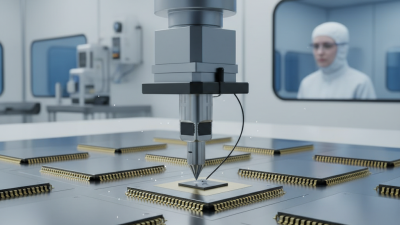
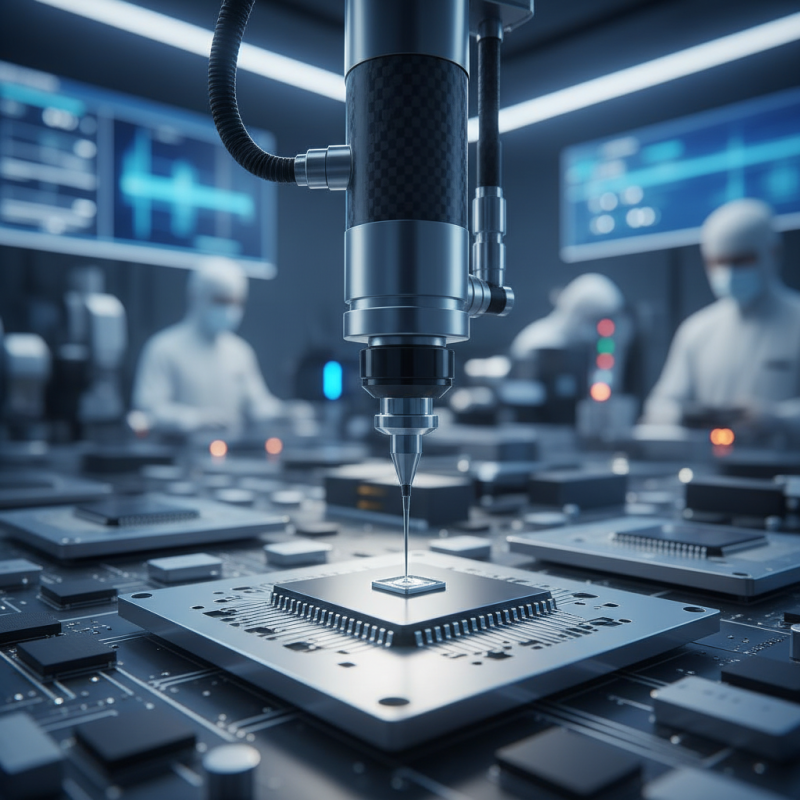
Die bond is a crucial process in semiconductor manufacturing. It involves attaching semiconductor chips to substrates using various materials, often alloys. This technique ensures good electrical and thermal conductivity. Understanding die bond's role can enhance product quality and reliability.
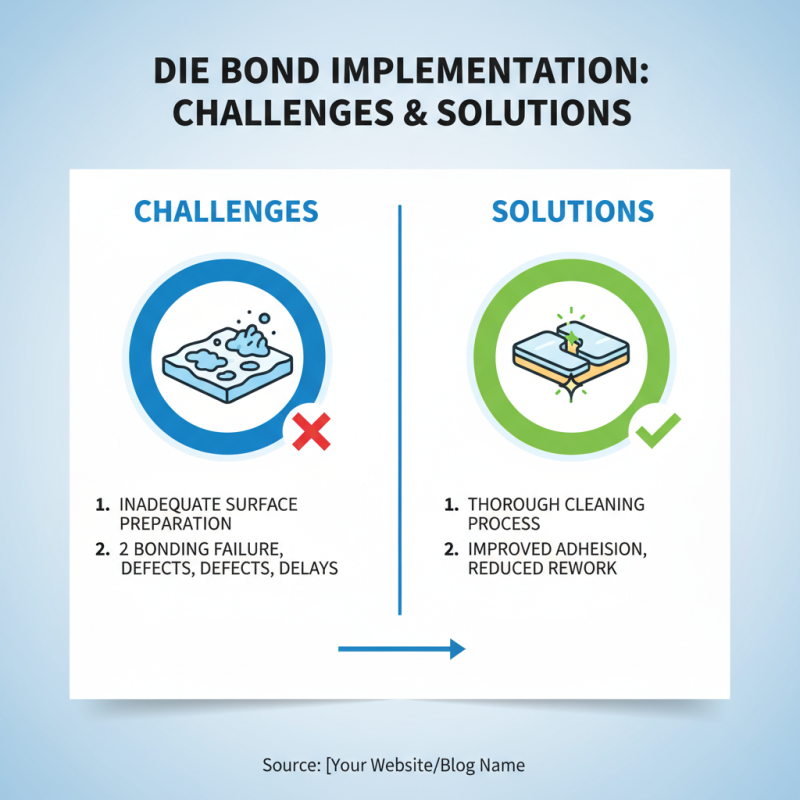
Effective die bonding requires precision in temperature control. The bonding process is sensitive; temperatures that are too high can damage delicate components. Conversely, too low can lead to weak adhesion. Proper surface preparation is equally important. Contaminants can undermine bond strength. Regular process audits can help identify issues and improve results.
Training staff on die bond techniques is vital. Many errors arise from inexperienced operators. Poor bonding can result in device failures, leading to costly recalls. Therefore, ongoing education and practice are essential. Embracing new technologies may also improve efficiency. Experimentation with different materials could yield better results. The journey in die bonding is ongoing; continuous improvement is necessary.
Die Bond Usage in Manufacturing Process
This chart represents the percentage usage of different materials in the die bonding process within manufacturing, showcasing the relative importance of each material in the overall process.
Types of Die Bond Materials and Their Applications
Die bonding is a crucial process in semiconductor and electronics manufacturing. Various materials can be used for die bonding, each with specific benefits and applications. For instance, epoxy resins are common due to their strong adhesion and reliability. Reports show that epoxy die bonding can achieve over 95% interfacial strength retention under thermal cycling conditions.
Silver sinter is another prominent material. It features excellent thermal conductivity, making it suitable for high-performance applications. Recent studies indicate that silver sinter can increase the life expectancy of electronic components by 30% compared to traditional bonding methods. However, its cost can be a concern, leading some manufacturers to hesitate.
In contrast, soldering remains a popular choice. It is effective but can have reliability issues under high stress. In a study, 25% of soldered joints failed during thermal shock tests. This reveals a potential area of improvement in die bonding processes. Understanding the strengths and weaknesses of various die bond materials can help manufacturers make informed decisions, ultimately enhancing product reliability and performance.
How to Effectively Use Die Bond in Manufacturing Process? - Types of Die Bond Materials and Their Applications
| Die Bond Material |
Application |
Temperature Resistance (°C) |
Typical Use Cases |
| Epoxy-Based Die Bond |
Microelectronics |
-40 to 180 |
Integrated Circuits, MEMS |
| Silicone-Based Die Bond |
Automotive Sensors |
-50 to 230 |
Pressure Sensors, Temperature Sensors |
| Polyimide-Based Die Bond |
Aerospace Applications |
-200 to 300 |
Satellite Components, Avionics |
| Conductive Adhesives |
Electrical Connections |
-40 to 150 |
RFID Tags, PCB Assembly |
Best Practices for Ensuring Quality in Die Bonding
In die bonding, ensuring quality is crucial for successful manufacturing. The process requires precise temperature control and proper adhesion techniques. Poor die bonding can lead to failures and costly rework. Regularly checking equipment calibration helps maintain consistent results.
Tips: Always clean the surface before bonding. Any residue can impact adhesion. Consider using a controlled environment to minimize contamination.
Monitoring and maintaining parameters is vital. Use sensors to track temperature and pressure in real-time. However, be aware that fluctuations can still occur. Adapting to variations in material properties is necessary.
Tips: Document all bonding processes. This creates a reference for future improvements. Gather feedback from operators to identify persistent issues. By reflecting on these challenges, you can enhance die bonding practices.