2026 Best Die Bond Techniques for Optimal Performance and Applications?
In the realm of semiconductor packaging, the technique of "Die Bond" plays a crucial role. This process involves attaching a semiconductor die to a substrate using various materials and methods. Effective die bonding ensures reliability and performance in electronic devices. As technology advances, the demand for innovative die bond techniques is growing rapidly.
In 2026, industries are poised to explore cutting-edge die bond applications. Companies are emphasizing performance, efficiency, and cost-effectiveness. New materials and technologies are emerging, promising enhanced durability and reduced manufacturing costs. However, the journey to optimal die bond techniques is not without challenges. Factors such as thermal management and material compatibility need careful consideration.
Reliable die bond methods can significantly impact device performance. Yet, even well-established techniques can require refinement. Continuous research and testing are essential. The exploration of best practices must include both successes and failures. As professionals delve into the 2026 landscape, the understanding of die bond's complexities will be vital for future innovations.
Overview of Die Bond Techniques in 2026
In 2026, die bonding techniques have evolved significantly, focusing on precise applications and enhanced performance. Advanced materials such as epoxy and silicone are now popular. These materials offer improved thermal and electrical conductivity, essential for modern electronic devices. The demand for miniaturization has also reshaped the landscape, pushing for techniques that maximize efficiency in smaller spaces.
A notable trend is the integration of automation in the die bonding process. Automating these techniques reduces human error and increases consistency. However, challenges remain. Not all automated systems can adapt to the nuances of various materials, leading to potential quality issues. Engineers must continuously evaluate their processes to ensure reliability.
Moreover, emerging techniques like laser die bonding are gaining traction. This method promises precision but requires careful handling. Inadequate control can lead to defects that compromise performance. Experimentation is vital. Finding the right balance in die bonding remains a task filled with potential setbacks and reflections on past methods. The future of die bonding invites creativity and resilience in overcoming these challenges.
2026 Best Die Bond Techniques for Optimal Performance and Applications
| Technique |
Material |
Application |
Performance Metric |
Advantages |
| Eutectic Bonding |
Gold, Aluminum |
High-Power Devices |
Thermal Conductivity |
Excellent thermal performance |
| Soldering |
Lead, Tin Alloys |
Consumer Electronics |
Joint Reliability |
Widely used and cost-effective |
| Epoxy Adhesive |
Epoxy Compounds |
Semiconductor Packaging |
Adhesion Strength |
Good chemical resistance |
| Die Attach Film |
Polyimide, Silicon |
Optoelectronics |
Thermal Stability |
Simplified process and uniform thickness |
| Laser Bonding |
Various Metals, Plastics |
Automotive |
Bonding Speed |
High precision and minimal thermal exposure |
Key Factors Influencing Optimal Die Bond Performance
Die bonding is a crucial step in semiconductor assembly. The choice of die bond technique directly affects performance. Various factors influence the efficiency and reliability of die bonding. Understanding these key factors can enhance optimal performance.
One significant factor is the surface preparation of the die and substrate. Proper cleaning minimizes contamination and facilitates better adhesion. Lack of attention to surface treatment can lead to delamination or stress concentration. Additionally, the choice of adhesive plays a critical role in thermal conductivity and mechanical stability. The right adhesive can mitigate thermal expansion mismatch, ensuring longevity.
Another consideration is the bonding method itself. Techniques like thermal compression or adhesive bonding each have unique advantages and challenges. Selecting the proper method requires evaluating both the application and the materials used. Many engineers overlook the nuances of each process. This oversight can result in suboptimal bonding quality. Understanding these details allows for adjustments that lead to improved performance in various applications.
2026 Best Die Bond Techniques for Optimal Performance
This chart illustrates the effectiveness of various die bond techniques based on key performance indicators such as thermal conductivity, adhesion strength, and process compatibility. The techniques compared are epoxy, solder, and thermal interface materials (TIM).
Comparison of Die Bond Materials and Their Applications
Die bonding materials play a crucial role in semiconductor packaging. Different materials exhibit unique properties, affecting performance and reliability. Common die bond materials include epoxies, polymers, and metals like gold and silver. Each material serves distinct applications. For instance, epoxy is widely used in cost-sensitive packages, while metal is preferred for high reliability.
A recent industry report highlighted that over 30% of failures in electronic components stem from poor die bonding. This emphasizes the importance of selecting the right material. Conductive adhesives are gaining popularity for their flexibility and ease of application. They also offer advantages in thermal management, making them suitable for high-power applications.
Tips: Choose die bond materials based on specific application needs. Consider thermal properties and mechanical stress. Regular testing can help identify potential bonding failures early on. Monitoring the production process ensures higher quality control standards are maintained. This approach reduces risks associated with bonding inefficiencies. Understanding each material's strengths and weaknesses is vital. This leads to optimal performance and longevity of electronic devices.
Emerging Technologies in Die Bonding Processes
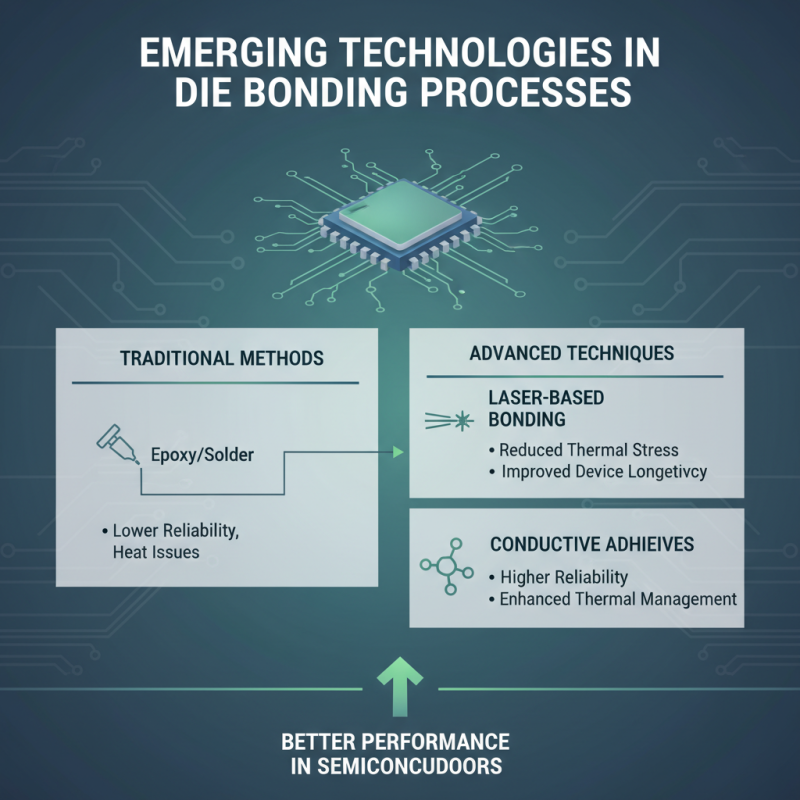
The die bonding process is evolving rapidly. Emerging technologies in this field are pivotal for enhancing performance. Techniques such as laser-based bonding and conductive adhesives are gaining traction. They provide higher reliability and better thermal management in semiconductor applications. Recent data indicates that laser die bonding can reduce thermal stress significantly, leading to improved device longevity.
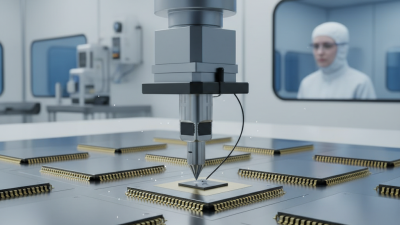
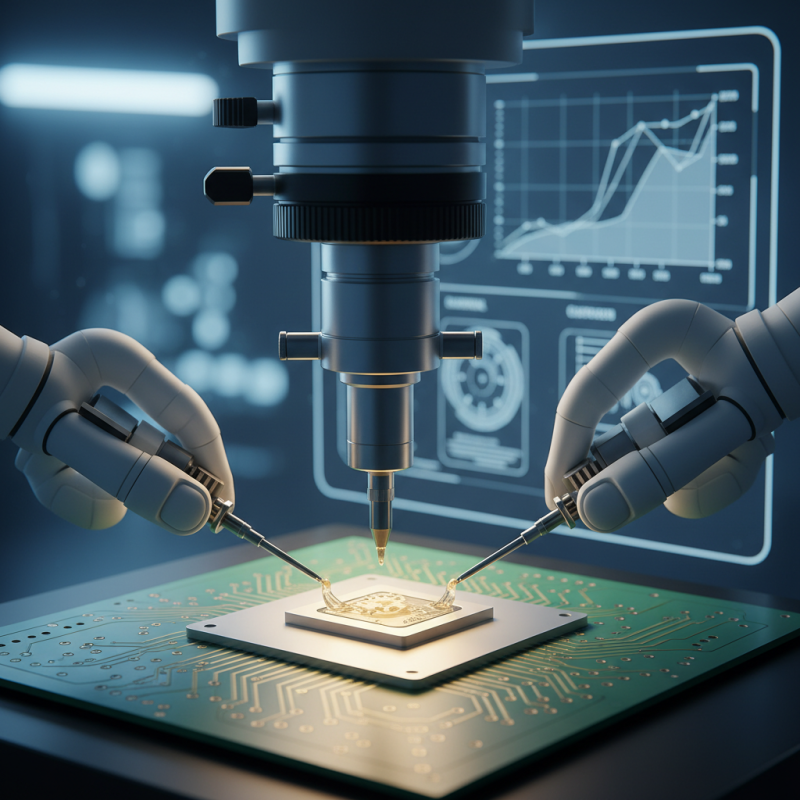
Advancements in automated systems are also noteworthy. Automation minimizes human error and enhances precision. For instance, robotic die attach machines can achieve alignments within micrometers. According to industry reports, robotic systems can increase production efficiency by up to 30%. However, integrating these technologies can be challenging. Companies must ensure their workforce is trained in new processes.
New materials, such as silver-filled epoxies, are on the rise. They offer superior conductivity and thermal performance. Despite these innovations, challenges remain. Not all materials bond equally under different conditions. Ongoing research is required to optimize these applications. The field must address these inconsistencies to maximize output and reliability.
Best Practices for Implementing Die Bond Techniques in Industry
In the realm of semiconductor manufacturing, die bonding techniques play a crucial role in device performance. Recent industry reports highlight that nearly 40% of failures in electronic devices can be traced back to inadequate die bonding practices. To mitigate these risks, embracing best practices is essential for manufacturers.
Successful implementation of die bonding requires an understanding of various materials and methods. For example, selecting the right adhesive can enhance thermal performance by up to 30%. Techniques like eutectic bonding or hybrid approaches can also improve the process. Yet, challenges remain. Many companies often overlook the importance of equipment calibration, which can lead to inconsistencies in bond quality.
Training staff on the latest techniques is vital, yet many organizations fail to invest adequate time in this area. According to the latest studies, firms that prioritize workforce training report a 25% increase in production efficiency. The industry demands a commitment to ongoing education, as the landscape of die bonding continues to evolve. As a result, reflecting on current practices and seeking improvements can unlock significant gains in both performance and reliability.