How to Choose the Best Die Bonding Tool for Your Needs?
Choosing the best Die Bonding Tool can be challenging. The right tool significantly impacts the quality of the final product. According to Dr. Emily Lawson, an expert in semiconductor manufacturing, "Selecting the ideal die bonding tool is crucial for the efficiency and precision of the assembly process."
When evaluating your options, consider what features you truly need. Different applications may require unique specifications. For instance, some tasks demand high thermal performance while others focus on precision alignment. The diverse range of die bonding tools available can make the choice overwhelming.
Be aware of your production demands. A tool that suits one project may not be ideal for another. Investigate user reviews and industry trends to gauge the reliability of various brands and models. Reflecting on your specific requirements can lead to a more informed and successful purchase.
Understanding Die Bonding Tools: An Overview
Die bonding tools play a crucial role in semiconductor packaging. They ensure that die are securely attached to substrates. Understanding the types and features of these tools can help you select the right one for your needs.
Many factors influence the effectiveness of die bonding tools. Look for features such as temperature control, pressure settings, and alignment precision. These characteristics can significantly impact the bonding process. The right tool should match your specific application requirements, whether for high volume or specialized operations.
When assessing die bonding tools, consider your production environment. For example, cleanroom requirements might necessitate different equipment than typical industrial settings. Always evaluate the ease of use and maintenance of these tools. A complex tool might offer advanced features but can pose challenges during operation.
Constant reflection on the performance of your bonding tool is essential. Regular reviews can help identify inefficiencies in your processes. Pay attention to downtimes and bond failure rates. Fine-tuning your approach can significantly enhance productivity.
Key Factors to Consider When Selecting a Die Bonding Tool
Choosing the right die bonding tool is crucial for optimal performance in manufacturing processes. Several key factors influence this decision. Understanding the specific application is essential. For instance, the size and weight of the dies will dictate the required tool strength and capabilities. Industry reports indicate that over 70% of production issues arise from improper tool selection.
Cost should not be the sole determinant; investing in a quality tool can reduce long-term expenses. Look for tools that offer versatility, as they can adapt to multiple projects. Analyze the compatibility of the tool with existing machinery. A mismatched tool can lead to inefficiencies and delays.
Focusing on the ease of maintenance is another critical aspect. A tool that requires frequent servicing can disrupt production schedules. Pay attention to user reviews and case studies; they provide insights into real-world performance. Reliability and support from manufacturers also factor heavily into the decision-making process. Understanding the lifespan of the tool can lead to better budgeting and purchasing decisions.
Consider the technological advancements in die bonding tools, such as automation features. They can enhance precision and streamline operations. Regularly reviewing the latest reports and industry trends can afford a competitive edge. Decisions should be informed by data, rather than solely on impulse or past experiences.
Types of Die Bonding Tools and Their Applications
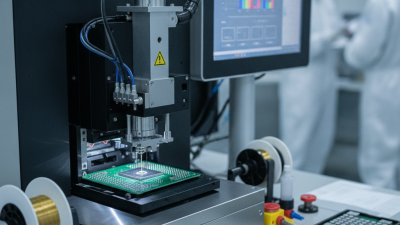
Selecting the right die bonding tool is essential for manufacturing efficiency and product quality. There are several types of die bonding tools, each suited for different applications. For high-precision semiconductor production, automatic die bonders are commonly utilized. They offer precision and speed, ideal for complex chip designs. In contrast, manual die bonding tools are more suitable for smaller production runs or prototyping, where flexibility is key.
Research indicates that the global die bonding equipment market is projected to grow significantly, with an estimated CAGR of over 6% from 2021 to 2026. This growth highlights the increasing demand for advanced technologies in semiconductor assembly. Furthermore, the choice of tool may depend on the material used; for instance, epoxy dies require specific bonding tools for optimal adhesion.
When choosing a die bonding tool, consider your production needs. Understand the scale and type of projects you handle. Look at the specifications regarding precision and speed. Your decision should align with both current projects and potential future demands. The right tool can expedite workflows and improve outcomes. Remember, investing in quality could prevent costly rework later.
Die Bonding Tools Comparison
Evaluating Performance and Precision in Die Bonding Tools
Choosing the right die bonding tool is crucial for performance and precision in semiconductor manufacturing. A good tool should ensure effective heat transfer and bond strength. According to a report by TechInsights, 45% of production defects arise from inadequate die attachment processes. This emphasizes the need for high-quality tools that can meet specific requirements.
When evaluating tools, consider the adhesive types and curing methods. Tools that allow for fine adjustments can lead to better alignment and less waste. The precision of the bond significantly impacts the longevity and functionality of the final product. In fact, studies show that even a 10-micron deviation can lead to drastic performance drop-offs.
Pick a die bonding tool that fits your application needs. Always check the adjustments and feedback mechanisms. These features enhance control, leading to better outcomes. Start with a thorough assessment of your processes. This step can uncover potential areas for improvement and ensure that you choose a tool that truly fits. Even the best tools require proper calibration and testing. Be open to tweaking your approach based on the outcomes you observe.
Maintenance and Care Tips for Optimal Tool Longevity
Maintaining your die bonding tool is crucial for longevity and optimal performance. Regular cleaning should become a part of your routine. Debris can easily build up and affect the tool’s accuracy. Use a soft brush or a lint-free cloth to gently remove any residues. Make sure you do this after each use to prevent buildup. Avoid using harsh chemicals, as they can damage sensitive components.
Temperature fluctuations can be detrimental. Store your tool in a controlled environment. Extreme heat or cold can alter its performance. Always check for any visible signs of wear and tear. If something seems off, it might be time to get it inspected. Sometimes, it’s easy to overlook small issues until they become major problems.
Calibration is another essential aspect. Regularly calibrate your tool according to the manufacturer’s specifications. This helps ensure precise performance over time. Even if you feel confident in your skills, don’t skip this. Proper calibration can save you time and materials in the long run. Remember that a little bit of attention can go a long way in maintaining tool functionality.