What is Die Bonding Tool and How is it Used in Electronics?
The Die Bonding Tool plays a crucial role in electronics manufacturing. It is used to attach semiconductor devices to substrates or packages. This process is essential for ensuring optimal performance and reliability. A die bonding tool provides precise control over the placement and adhesion of the die.
In the world of electronics, the accuracy of die bonding significantly impacts the overall product quality. Engineers must choose the right tool based on specific requirements. Various types of die bonding tools exist, each with unique features. These tools require skilled operators who understand the nuances of the technology.
Yet, challenges persist in using die bonding tools. For instance, maintaining consistent pressure and temperature can be difficult. Operators often face issues with alignment, affecting the end product. Learning from these challenges is important for continuous improvement in the electronics sector. Understanding the die bonding tool's intricacies can lead to better practices and outcomes.
What is Die Bonding Tool?
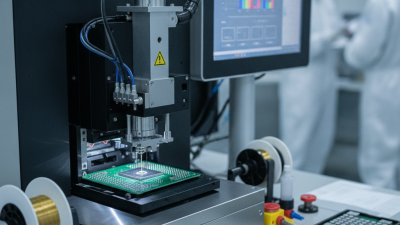
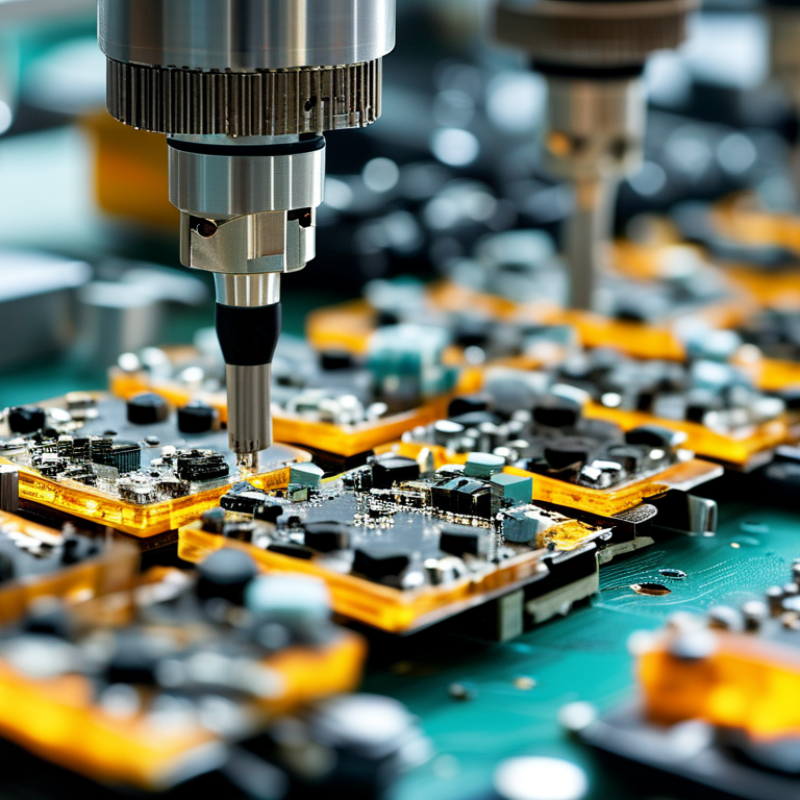
Die bonding tools are essential in the electronics manufacturing process. They play a crucial role in connecting semiconductor chips to their packaging. This connection is vital for the functionality of electronic devices. A die bonding tool utilizes heat and pressure to securely attach a die onto a substrate. This method ensures reliable electrical connections and improves the overall performance of electronic products.
The die bonding process requires precision and expertise. Different applications may need specific techniques and settings. Operators must adjust parameters like temperature and pressure based on materials used. Inadequate setup can lead to defects, risking device performance. Additionally, some newer technologies may require innovative solutions to enhance bonding efficiency. Continuous learning and adaptation are necessary in this field.
Using die bonding tools also involves challenges. The choice between manual and automated systems depends on production needs. Manual processes can be flexible but may introduce human error. Automated systems offer consistency but require significant investment. Balancing these factors is crucial for optimizing production efficiency while maintaining quality. Experimentation in techniques can yield improvement, but ongoing evaluation is key.
Key Components of Die Bonding Tools
Die bonding tools are essential in electronics manufacturing. They play a crucial role in attaching semiconductor dies to substrates. Understanding the key components of these tools can enhance their effectiveness and reliability.
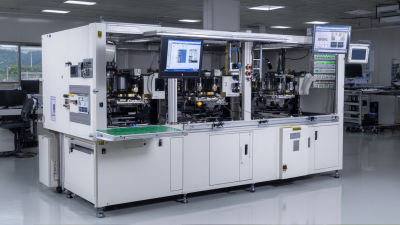
A primary component is the die attach machine. This machine precisely positions the die onto the substrate. Its accuracy ensures that the electrical connections are optimal. Another important part is the heat source, which can be a laser or a thermal head. This element is vital for melting adhesive materials. The right choice of adhesive also matters. It influences the durability and thermal conductivity of the bond.
Tips: Choose adhesives that suit specific applications. Not all adhesives perform equally under varying temperatures. Also, regular maintenance is essential for the die attach machine. This practice increases longevity and prevents unexpected downtimes. Monitoring the heat source's consistency is equally important. Inconsistent heat can lead to flawed bonds.
Understanding these components allows for better decision-making. Each part serves a unique function that impacts the overall performance. Many professionals learn best through hands-on experience. Reflecting on past mistakes can lead to improved techniques.
Applications of Die Bonding in Electronics
Die bonding is a critical process in electronics manufacturing. It involves attaching a semiconductor die to a substrate or package. This method ensures the die maintains electrical and thermal contact, which is crucial for performance. In various applications, die bonding techniques can differ based on the required reliability and functionality.
One prominent application of die bonding is in the production of integrated circuits. Here, precise placement and adhesion are vital. The choice of die bonding materials can affect the overall performance. For high-temperature environments, specific conductive adhesives may be preferred. Additionally, die bonding is essential in the assembly of power devices, where thermal management is a key concern. These devices must endure strenuous conditions, so reliability is non-negotiable.
Despite its importance, the die bonding process can have challenges. Issues such as misalignment or insufficient adhesion can lead to failures. It's crucial for engineers to continually refine the techniques and materials used. Innovative approaches, like using advanced monitoring systems, are emerging. These help ensure better outcomes and reduce the likelihood of mistakes. Regular assessment of methods keeps the production process efficient and reliable.
Applications of Die Bonding in Electronics
The Die Bonding Process Explained
Die bonding is a crucial process in electronics manufacturing. It involves attaching a semiconductor die to a substrate or package. The process plays a key role in ensuring the reliability and performance of electronic components. The die bonding tool helps in achieving precise placement and optimal bonding strength.
During the die bonding process, the tool applies heat and pressure to securely adhere the die. Temperature control is vital. Too much heat can damage the die, while insufficient heat leads to weak bonds. The interface materials used can also affect the outcome. It's essential to select the right adhesive or solder for your application.
**Tips:** Always check the temperature settings before starting. Proper calibration can prevent costly mistakes. Regular maintenance of the die bonding tool is necessary. Dust or residue can affect the tool's performance. Aim for consistency in your technique to improve yield rates. Remember that even experienced operators make mistakes. Document any issues for future reference.
What is Die Bonding Tool and How is it Used in Electronics? - The Die Bonding Process Explained
| Parameter |
Description |
Typical Values |
| Tool Type |
Type of die bonding equipment |
Manual, Semi-automated, Automated |
| Bonding Material |
Material used for die attachment |
Epoxy, Solder, Silver paste |
| Temperature Range |
Operating temperature during bonding |
-40°C to 250°C |
| Pressure Applied |
Force used during bonding |
0.1 to 8 MPa |
| Cycle Time |
Time taken for one bonding cycle |
5 to 30 seconds |
| Application Areas |
Industries where die bonding is used |
Semiconductors, LEDs, Power devices |
Advantages of Using Die Bonding Tools in Manufacturing
Die bonding tools play a crucial role in the electronics manufacturing process. These tools establish a reliable connection between semiconductor chips and substrates. Their usage greatly enhances device performance. Industry reports indicate that the global die bonding equipment market is projected to reach approximately $1.2 billion by 2025. This growth reflects the rising demand for efficient manufacturing techniques in the electronics sector.
One significant advantage of die bonding tools is their precision. A study found that using automated die bonders can improve alignment accuracy by up to 98%. This level of precision minimizes defects, leading to better yield rates. Additionally, die bonding tools can handle a variety of materials, accommodating different manufacturing needs. They also reduce labor costs, allowing manufacturers to allocate resources more effectively.
However, the implementation of die bonding tools is not without challenges. Many companies face a learning curve when integrating new equipment into their workflows. Technicians must undergo extensive training to ensure optimal operation. Companies need to weigh the costs and benefits. While die bonding tools enhance efficiency, initial investments can be significant. Balancing performance with budget constraints remains a key area for continuous improvement.