Choosing among the Top ASM Wire Bonding Machine Manufacturers Worldwide requires more than comparing brochures or production speeds. An ASM Wire Bonding Machine must perform consistently across different packages, wire materials, operators, and factory conditions. Bond strength, loop control, ultrasonic stability, placement accuracy, and service response deserve close attention. Small details matter. A worn capillary can change the bond profile within hours.
John H. Lau, a widely recognized wire-bonding researcher and author, stated, “Reliable bonding depends on process control, material control, and careful equipment maintenance.” This principle remains practical on modern production lines. A machine with impressive specifications may still disappoint without stable temperature control, repeatable clamping, and accessible technical support. Buyers should examine real application data, not only laboratory demonstrations.
This guide reviews leading global manufacturers through an engineering-focused lens. It considers machine architecture, bonding speed, software capability, packaging compatibility, training, spare-part availability, and long-term ownership costs. Manufacturers such as ASMPT, Kulicke & Soffa, Shinkawa, and Hesse are often discussed because of their broad industry presence and technical development. However, no supplier is ideal for every factory.
That is the difficult part.
A high-volume semiconductor plant may prioritize cycle time and automation. A research facility may value flexibility and rapid setup. Older production lines may need retrofit support more than new features. These differences can change the final ranking. Market reputation also evolves, and publicly available performance claims are not always directly comparable. Readers should validate specifications through demonstrations, reference sites, and documented reliability results before making a purchasing decision.

ASM wire bonding technology is an automated method for connecting semiconductor pads to package leads. A fine metal wire forms the electrical path. The machine uses heat, ultrasonic energy, pressure, or a combination of these methods. Thermosonic bonding is common for gold and copper wire. Aluminum wire often supports power semiconductor packages.
A modern wire bonding machine performs several precise tasks. Its vision system locates bond pads, while motion stages position the bonding head within micrometer-level tolerances. The capillary feeds wire, creates controlled loops, and forms reliable first and second bonds.
Software manages bond force, ultrasonic power, heating, wire length, and loop height. Small changes matter. A dusty clamp or worn capillary can cause weak bonds, wire breaks, or inconsistent loops.
These systems serve automotive electronics, sensors, LEDs, memory devices, radio-frequency modules, and power packages. In factory trials, engineers often inspect bond footprints and review pull-test data before approving a process. A clean-looking bond is not always a strong bond. That is easy to miss. Material hardness, pad design, humidity, and thermal cycling can change results over time. Operators therefore adjust recipes carefully and maintain traceable records. The most dependable process is not simply fast; it remains stable across shifts, lots, and changing materials. Some optimization still depends on practical judgment, not software alone.
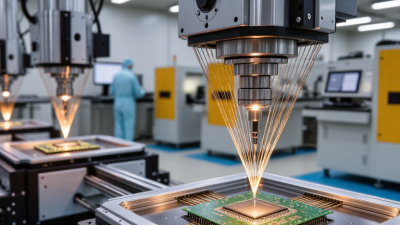
Global manufacturers of ASM wire bonding machines compete through precision, uptime, and process control. Their equipment supports memory, power, sensor, and automotive semiconductor production. SEMI reported approximately 106 billion dollars in global semiconductor manufacturing equipment sales in 2023. Packaging equipment remains a smaller segment, but demand is rising with chiplet designs and high-density modules.
Experienced buyers should examine more than quoted speed. A reliable machine must maintain stable loop height, accurate bond placement, and consistent wire tension. Copper wire, fine-pitch pads, and fragile dies require different settings. Engineers should also review bond pull data, capillary life, vibration control, and software traceability. Small errors become expensive after thousands of units. Some manufacturer claims still need independent production verification.
Tips: Request a sample-bond trial using your actual lead frame, wire diameter, and die surface. Measure first-pass yield, average bonds per hour, changeover time, and downtime during a full shift. SEMI and Yole Group reports both emphasize advanced packaging growth, but market forecasts can differ by application and year. Treat forecasts as planning tools, not guarantees. A factory visit may reveal practical weaknesses that brochures hide.
ASM wire bonding machines support several semiconductor packaging routes, and each type solves a different assembly problem. Ball bonders use fine gold, copper, or silver wire for compact integrated circuits. Their controlled heat, ultrasonic energy, and bonding force create reliable connections on dense substrates. Fine-pitch models suit memory devices, sensors, and advanced system-in-package designs. Small details matter.
Wedge bonders provide precise bonding with aluminum or copper wire. They are common in power modules, automotive electronics, and packages requiring strong thermal performance. Heavy-wire systems handle thick conductors for high-current applications, including industrial power components. Ribbon bonders create wide, low-resistance connections and often serve high-power semiconductor packages. The choice depends on current flow, pad layout, wire material, and package height.
Automation level also changes the machine’s practical value. High-speed platforms improve throughput for consumer electronics, while flexible systems support prototypes and mixed production. Vision alignment, bond-force monitoring, and pull-test data help engineers detect weak joints early. A neat specification sheet can still mislead. Actual results depend on substrate cleanliness, capillary wear, operator training, and process settings. Engineers should test the machine with real package materials before approval. In production reviews, teams sometimes prioritize speed and later discover unstable loop shapes. That mistake is avoidable, but not always. Fit remains difficult.
Comparing wire bonding machine manufacturers requires more than reviewing speed claims. Examine their engineering experience, service records, and production evidence. A reliable manufacturer should explain bonding accuracy, pull strength, cycle time, and maintenance intervals clearly. Ask for sample data from wires, packages, and substrates similar to yours. A clean factory floor helps, but it does not prove long-term machine stability.
Production capability matters when moving from pilot runs to continuous manufacturing. Check whether the supplier can support your required wire materials, bond pitches, package sizes, and monthly output. Review equipment logs, calibration methods, operator training, and spare-part availability. A strong technical team should identify limitations before installation. That honesty is valuable. No scorecard is perfect, and early comparisons can overlook software usability. Watch an operator load a frame, adjust parameters, and respond to an alarm. Small delays become expensive across thousands of units.
Tips: Build a weighted comparison sheet. Assign separate scores for bonding performance, uptime, technical support, training, and total ownership cost. Request a live demonstration using your production materials. Measure outputs independently, not only from supplier documents. Leave room for uncertainty. Test repeatability across several shifts, because one successful sample proves very little.
Global demand for wire bonding equipment is shifting with semiconductor packaging needs. Advanced memory, power modules, sensors, and radio-frequency devices require tighter process control. Manufacturers are investing in machines that manage thinner wires, smaller pads, and denser layouts. Precision matters more now.
Automotive electronics are another strong demand driver. Electric vehicles use power semiconductors for batteries, charging systems, and motor control. These applications require stable bonding under heat, vibration, and long operating cycles. Production teams therefore examine bond strength, pull-test results, cycle time, and traceability. Real factories need repeatable data, not impressive brochures.
Regional supply-chain changes are also influencing equipment purchases. Semiconductor plants are expanding across Asia, North America, and Europe. Local technical support, spare-part availability, and operator training now affect purchasing decisions. Automation is growing, especially where labor shortages disturb output. Still, automation does not remove every risk. Poor material handling can create contamination or wire breaks. The picture is not perfectly clean. Engineers must validate recipes across different packages, operators, and production lots. Energy consumption is gaining attention too, although it is often measured less carefully than throughput. That gap deserves more reflection. Reliable manufacturers will support open data access, documented testing, and realistic acceptance criteria instead of promising effortless performance.