How to Choose the Right Wire Bonding Machine for Your Needs?
Choosing the right Wire Bonding Machine can be a challenging task. Expert John Smith, a leader in semiconductor manufacturing, states, "The right equipment can make a significant difference in production quality." This highlights the importance of selecting a machine that suits your specific needs.
Different applications require different features in a Wire Bonding Machine. For instance, speed and accuracy are crucial for high-volume production. However, finding a machine that balances these factors can be complex. Users often overlook the maintenance requirements, which are essential for long-term performance.
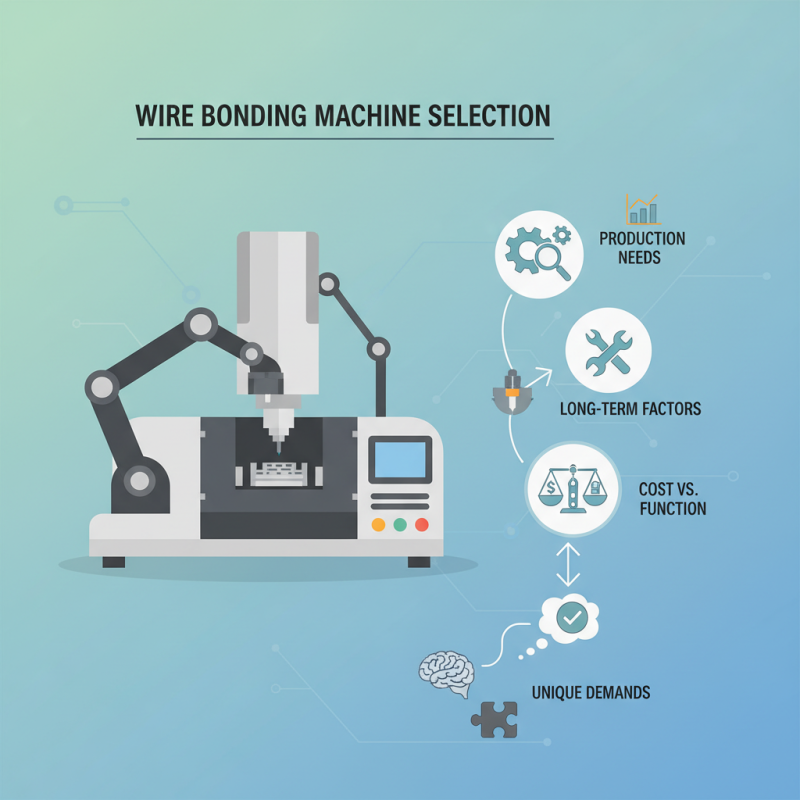
Many buyers rush into their decisions. They might focus too much on price rather than functionality. This can lead to regrets and additional costs down the line. It’s beneficial to take time to assess your needs and consider the long-term investment. Evaluating various models and their capabilities can provide clarity. Remember, the right Wire Bonding Machine is not just about features; it's about meeting your unique demands effectively.
Understanding the Basics of Wire Bonding Technology
Wire bonding technology plays a critical role in semiconductor manufacturing. It is essential for connecting discrete components and integrated circuits. In recent years, the market for wire bonding machines has seen steady growth. According to the latest industry report, the global wire bonding equipment market is projected to reach $1.2 billion by 2025. This reflects the increasing demand for miniaturization in electronic devices.
Understanding the different methods of wire bonding is crucial. The most common techniques are gold ball bonding, aluminum wedge bonding, and copper bonding. Each method has distinct advantages and limitations. Gold ball bonding is known for its reliability, while aluminum wedge bonding is favored for its cost-effectiveness. Recent studies indicate that aluminum bonds have improved fatigue resistance over time.
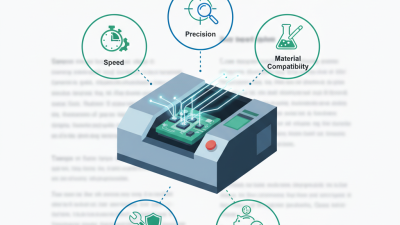
Tips: When selecting a wire bonding machine, consider the materials you'll be working with. Compatibility with both gold and aluminum is a plus. Check the machine's parameters carefully. An advanced machine can handle finer wires, which is vital for high-density applications. Do not overlook the importance of a good support system for troubleshooting. Investing in training for your operators can also enhance productivity. Remember, not all machines are equal. Each has its strengths and weaknesses. Choose wisely to ensure the best results.
Wire Bonding Machine Features Comparison
Key Factors to Consider When Selecting a Wire Bonding Machine
When selecting a wire bonding machine, several key factors come into play. One major consideration is the type of bonding method needed. Many applications require ball bonding, while others prefer wedge bonding. According to a recent industry report, ball bonding holds about 65% of the market share due to its versatility and efficiency. This understanding guides the choice based on your specific production requirements.
Another crucial aspect is the machine's throughput capability. Current data suggests that high-speed machines can reach up to 2,000 bonds per hour. However, there is a trade-off. Machines that prioritize speed may compromise on the bond quality. It's vital to assess whether your priority is speed or strength. Additionally, operators should consider the machine's ease of use. Complex interfaces can lead to operator errors, which can be costly. A simple, intuitive design enhances productivity.
Budget constraints also play a significant role in decision-making. Premium machines offer advanced features but come with a higher price tag. Opting for a lower-cost option might save money initially. However, it’s essential to consider long-term maintenance costs and operational efficiency. Sometimes, investing more upfront can result in savings down the road. It's a balancing act that requires deep reflection on your priorities and goals.
Evaluating Your Production Volume and Bonding Requirements
When choosing a wire bonding machine, start with your production volume. Higher volumes require machines with greater efficiency. Consider how often you’ll run the machine. Is it daily, weekly, or occasionally? This impacts the type of machine you’ll need. Machines designed for high output can come with a higher price tag.
Evaluate your bonding requirements. Different projects demand different speeds and precision levels. For small batches, a slower machine may suffice. For mass production, speed is critical. Think about the materials you'll bond. Different wires and substrates require specific capabilities. Make sure your machine can accommodate those needs.
**Tips:** Always conduct a thorough analysis of your production schedule. This helps you gauge how much downtime is acceptable. Experiment with different settings during testing phases. This could uncover issues that will save you time later. Remember to ask yourself: How flexible is the machine? You may need to adjust to future projects.
How to Choose the Right Wire Bonding Machine for Your Needs?
| Production Volume |
Bonding Type |
Application |
Machine Speed (Bonds per Hour) |
Budget Range (USD) |
| Low Volume (up to 1000 bonds/day) |
Ultrasonic |
Defense Electronics |
200 |
10,000 - 15,000 |
| Medium Volume (1000 - 5000 bonds/day) |
Thermal |
Consumer Electronics |
600 |
20,000 - 30,000 |
| High Volume (5000+ bonds/day) |
Laser |
Automotive |
1200 |
50,000 - 70,000 |
Comparing Different Types of Wire Bonding Machines
When selecting a wire bonding machine, it's crucial to understand the different types available. Two primary categories are thermosonic bonding and ultrasonic bonding. Thermosonic bonding utilizes heat and ultrasonic energy. It's ideal for aluminum and gold wire. In a recent industry report, thermosonic systems accounted for about 45% of market share in 2022, indicating their popularity in high-reliability applications.
On the other hand, ultrasonic bonding relies solely on ultrasonic energy without heat. This method is often preferred for applications requiring speed and efficiency. Data reveals that ultrasonic bonding machines are gaining traction, with a projected growth rate of 7% annually through 2025. However, some users report challenges with bond consistency in certain materials. Evaluating your needs against these factors is essential.
A notable point of consideration is the machine's calibration. Incorrect calibration can lead to inconsistent bonding quality. Also, operator training plays a vital role. Users must be skilled to achieve optimal results. The complexities of wire bonding technology necessitate a careful approach to choosing the right machine.
Assessing Budget Constraints and Total Cost of Ownership
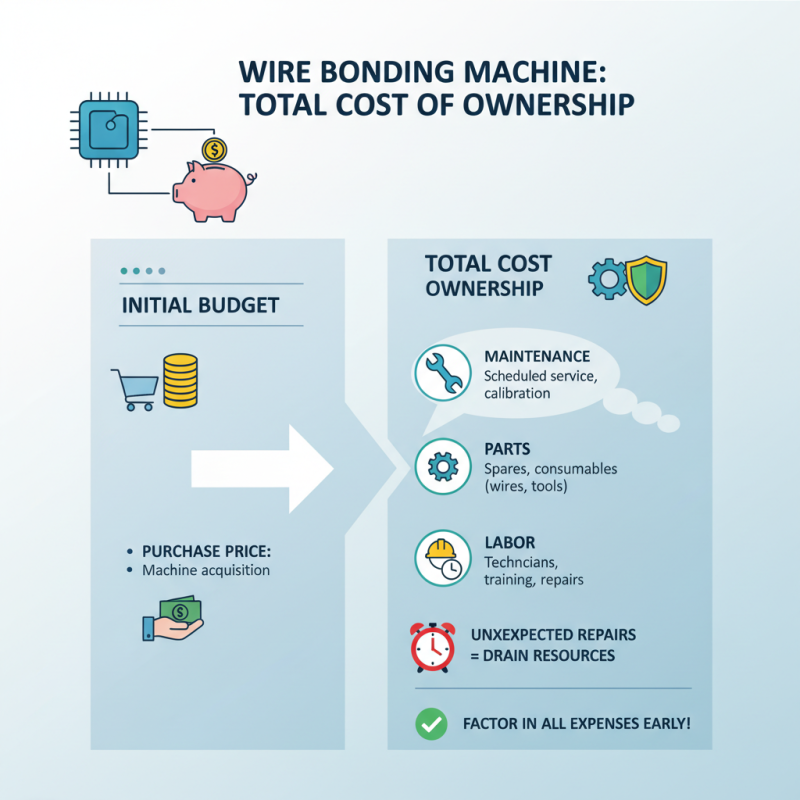
When selecting a wire bonding machine, budget is crucial. An initial purchase might fit within your limits, but think ahead. Consider the total cost of ownership. This includes maintenance, parts, and labor. Unexpected repairs can drain your resources. It’s essential to factor in these potential expenses from the start.
Training staff to use the equipment can also add to costs. Time spent learning the machine is money lost. Some machines are easier to operate than others. Evaluate user-friendliness. A complicated machine might require more employee training and lead to inefficiencies. Each machine comes with its own challenges. Understanding these is vital for long-term success.
Finally, think about your production needs. What volume will you produce? A machine that meets short-term demands might not be suitable later. Look for versatility and scalability. Reflect on how your needs could change over time. Avoid rushing into a decision. Spend time weighing all these factors to make an informed choice.